Transforming Data into Engaging Stories: Our Journey with PHSA-BCCDC since 2006
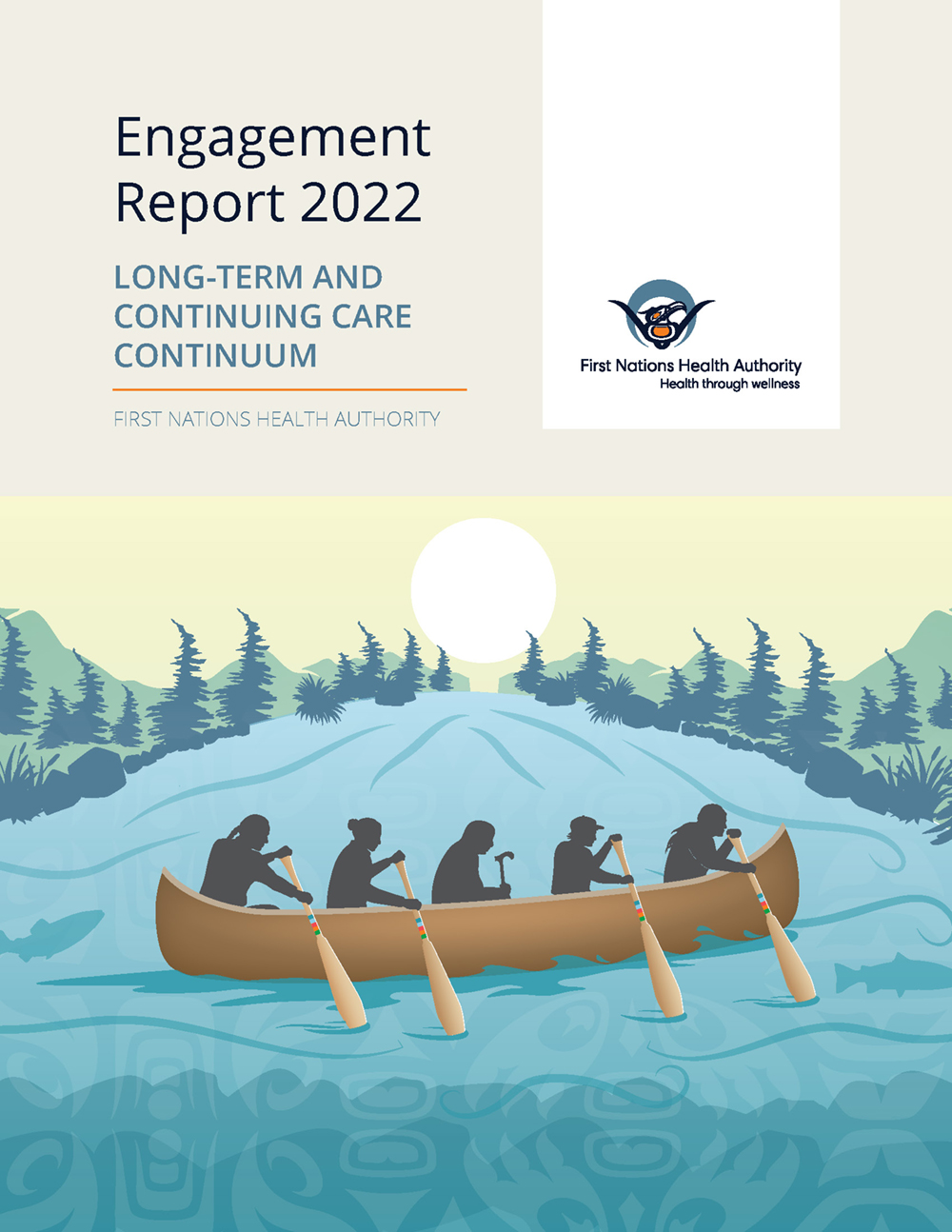
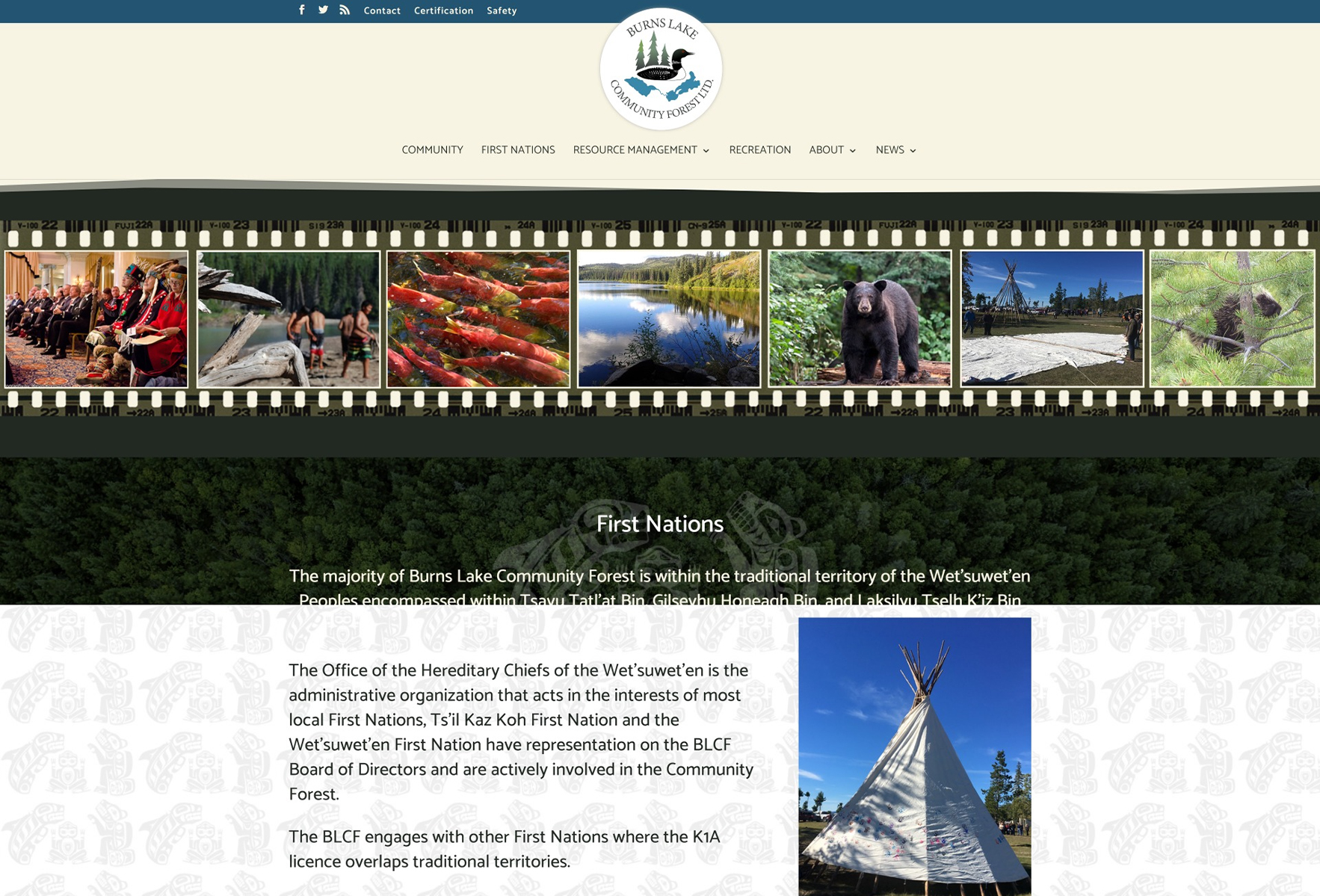
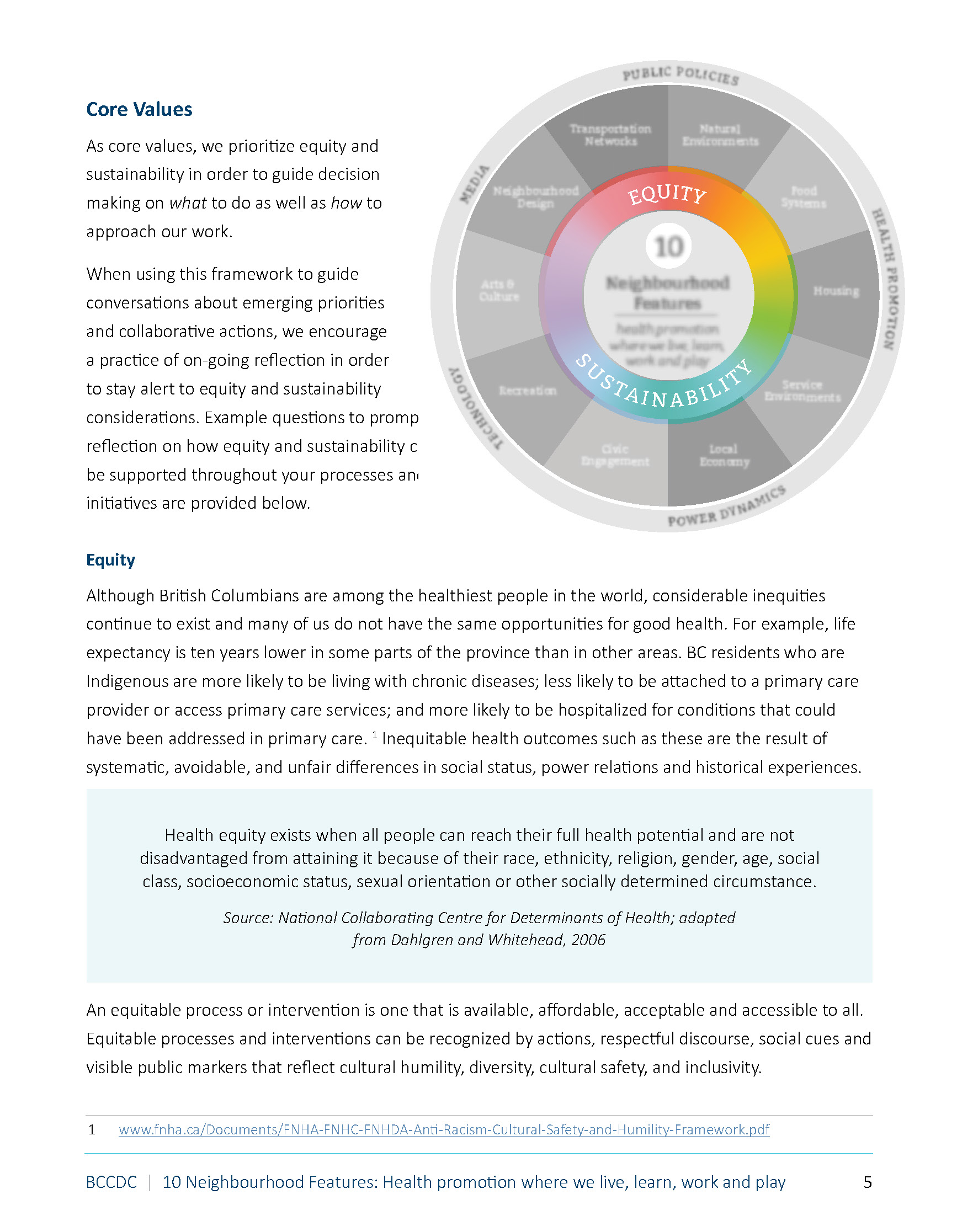
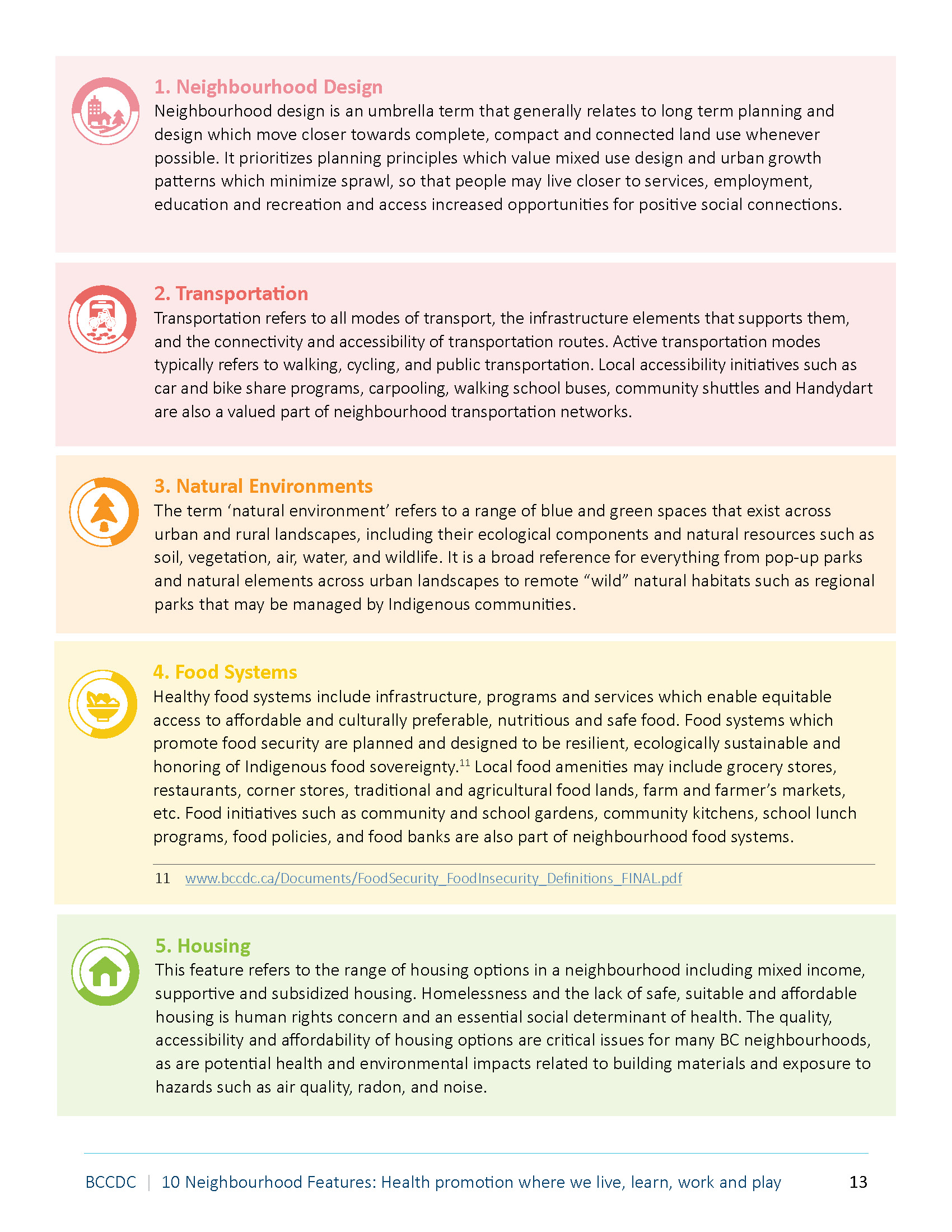
At Spryberry, we take pride in crafting elegant and accessible creative designs for various departments within PHSA-BCCDC. Our journey began with a mission to enhance readability and engagement in government minister reports. Over the years, we have refined our expertise, creating detailed report templates that align with the evolving PHSA and BCCDC branding.
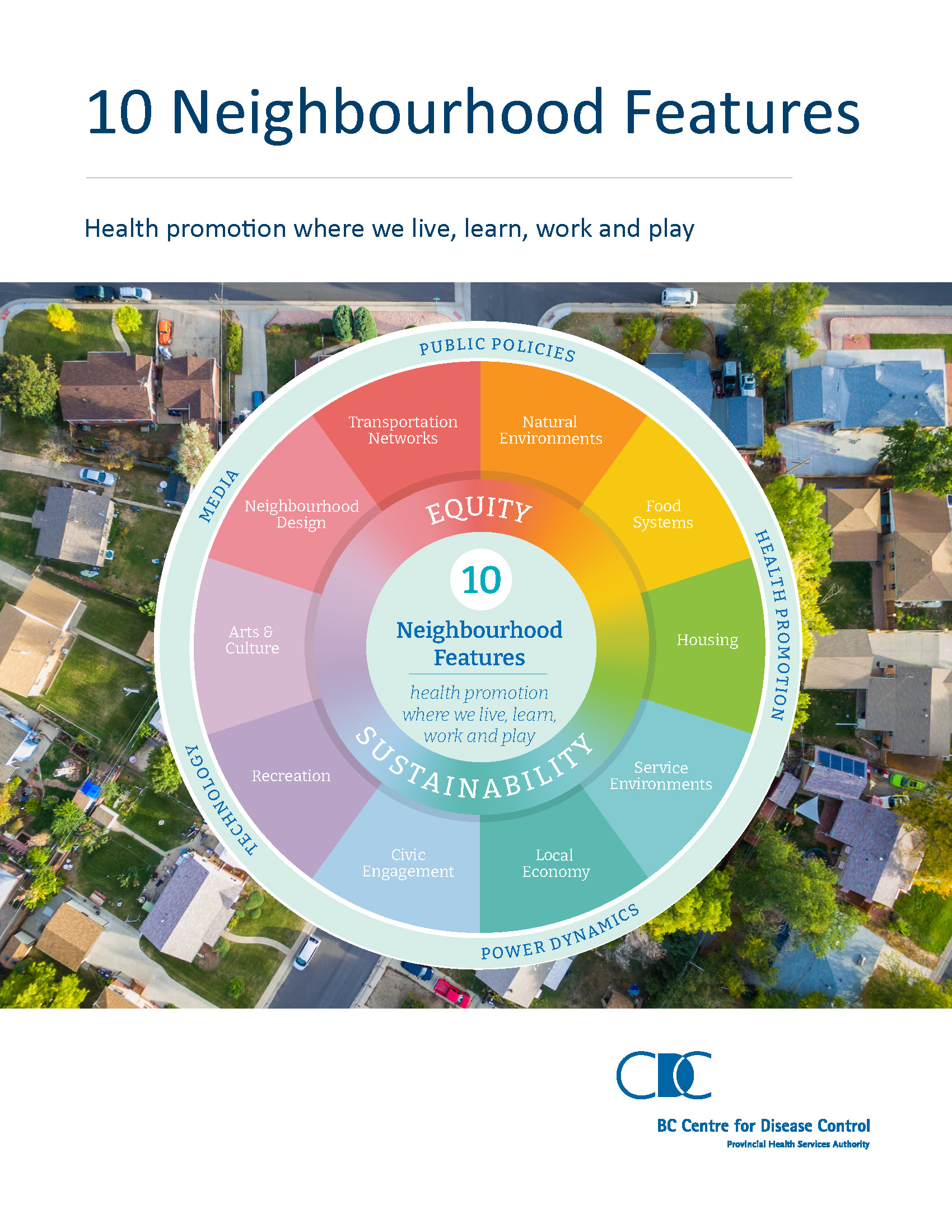
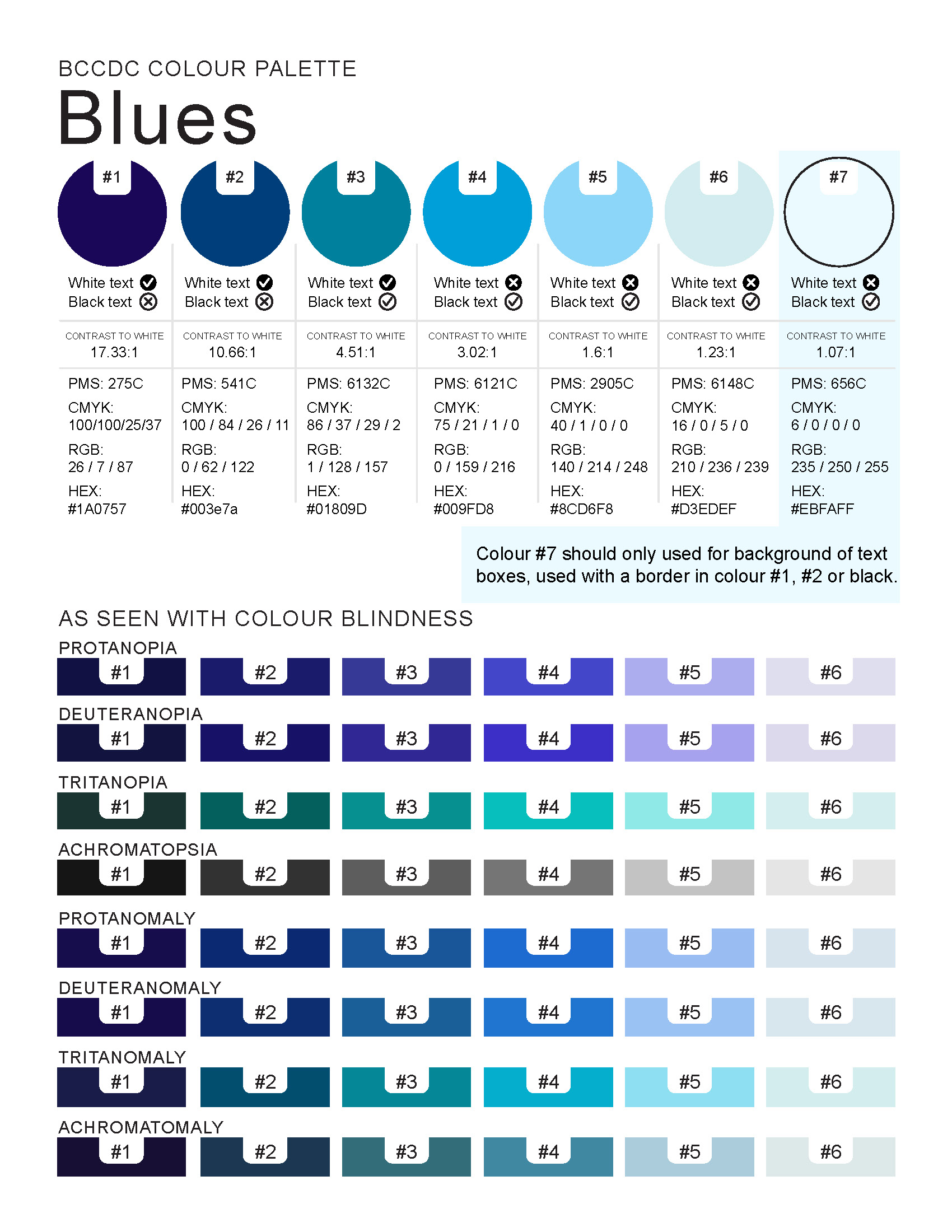
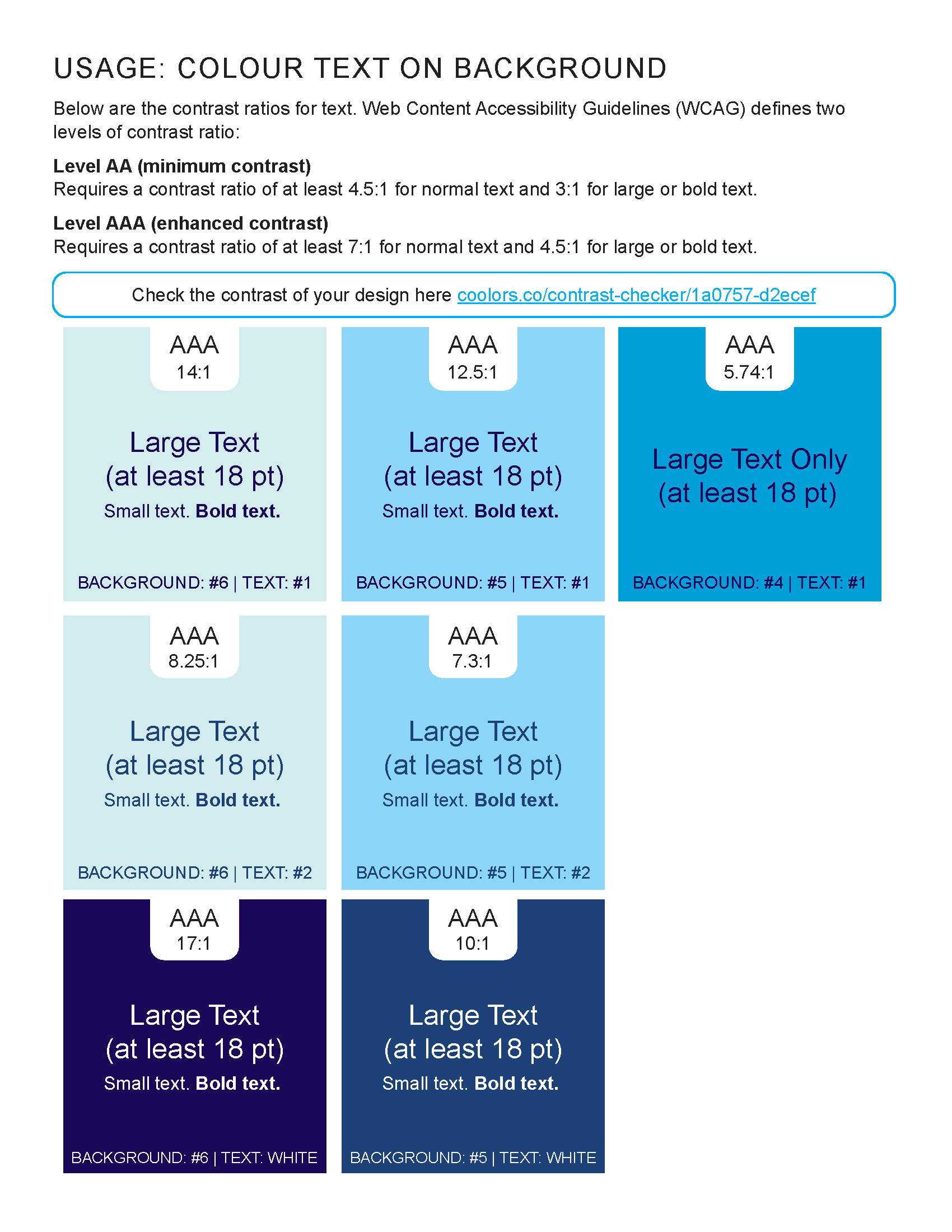
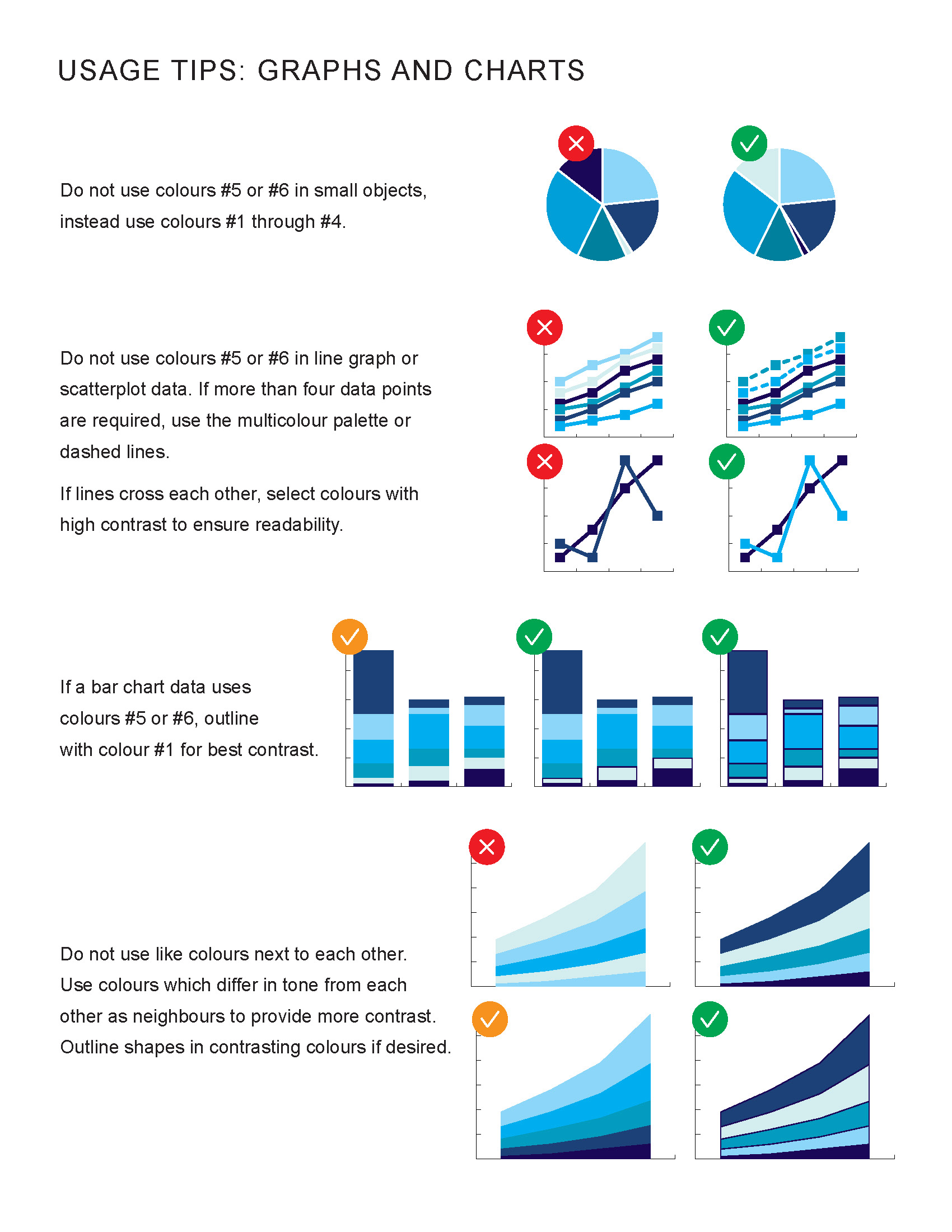
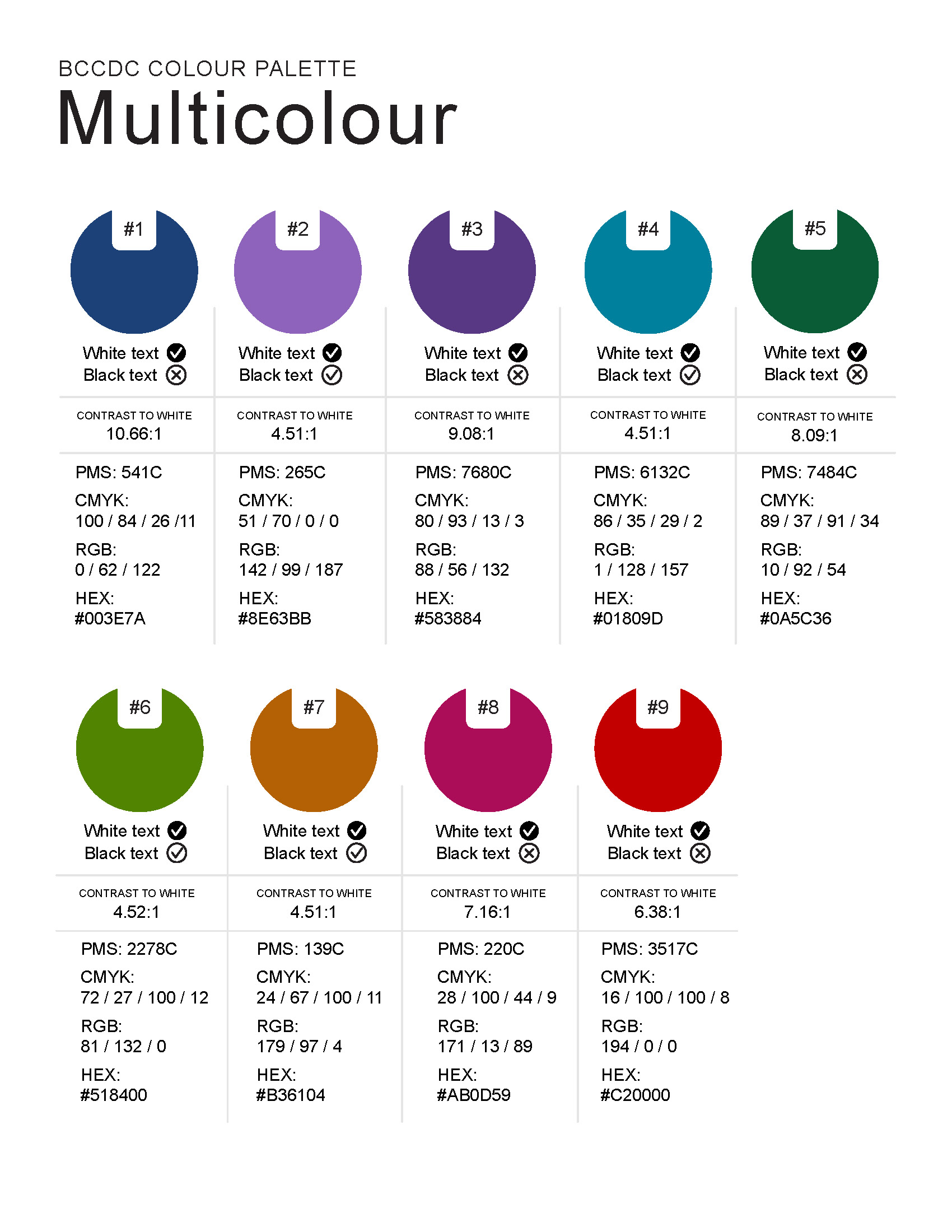
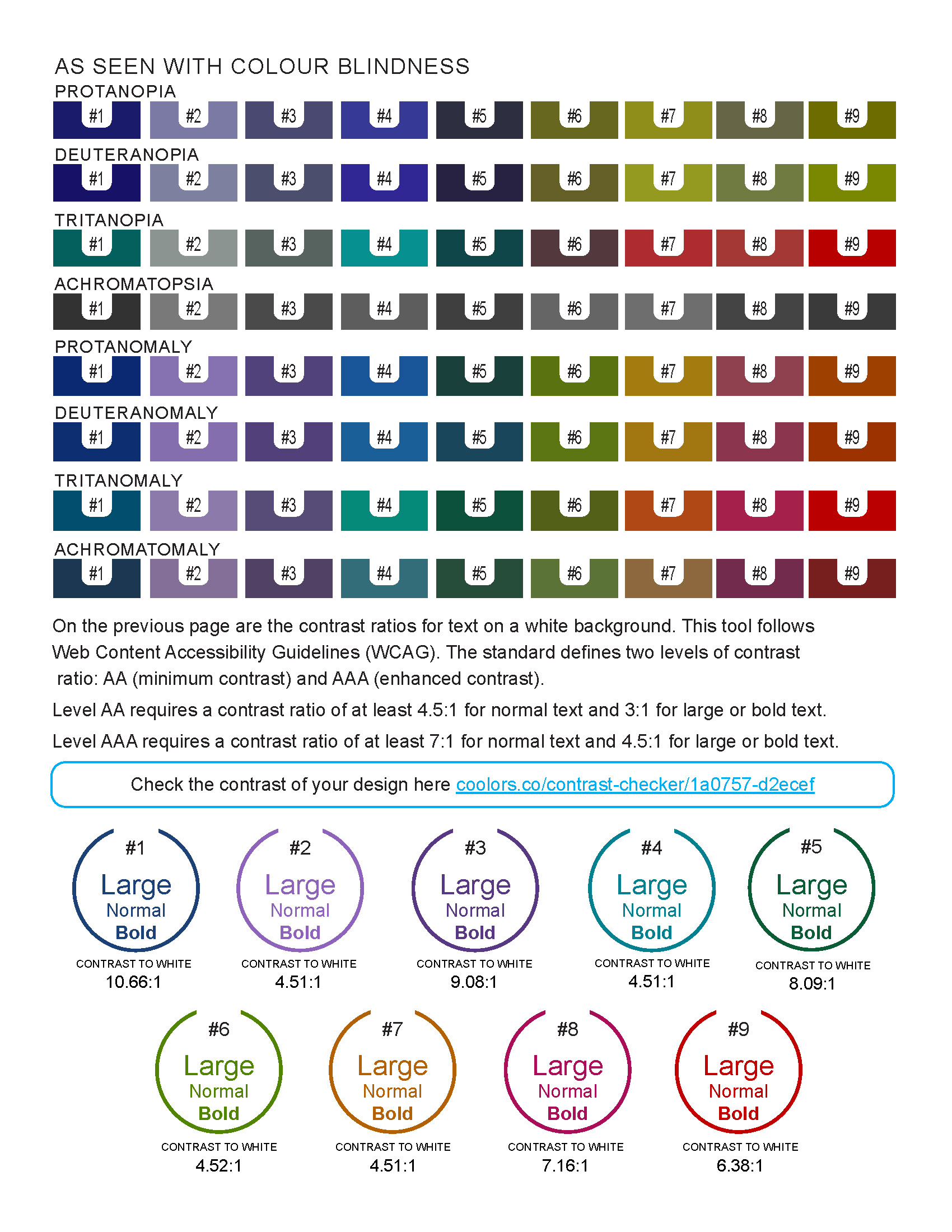
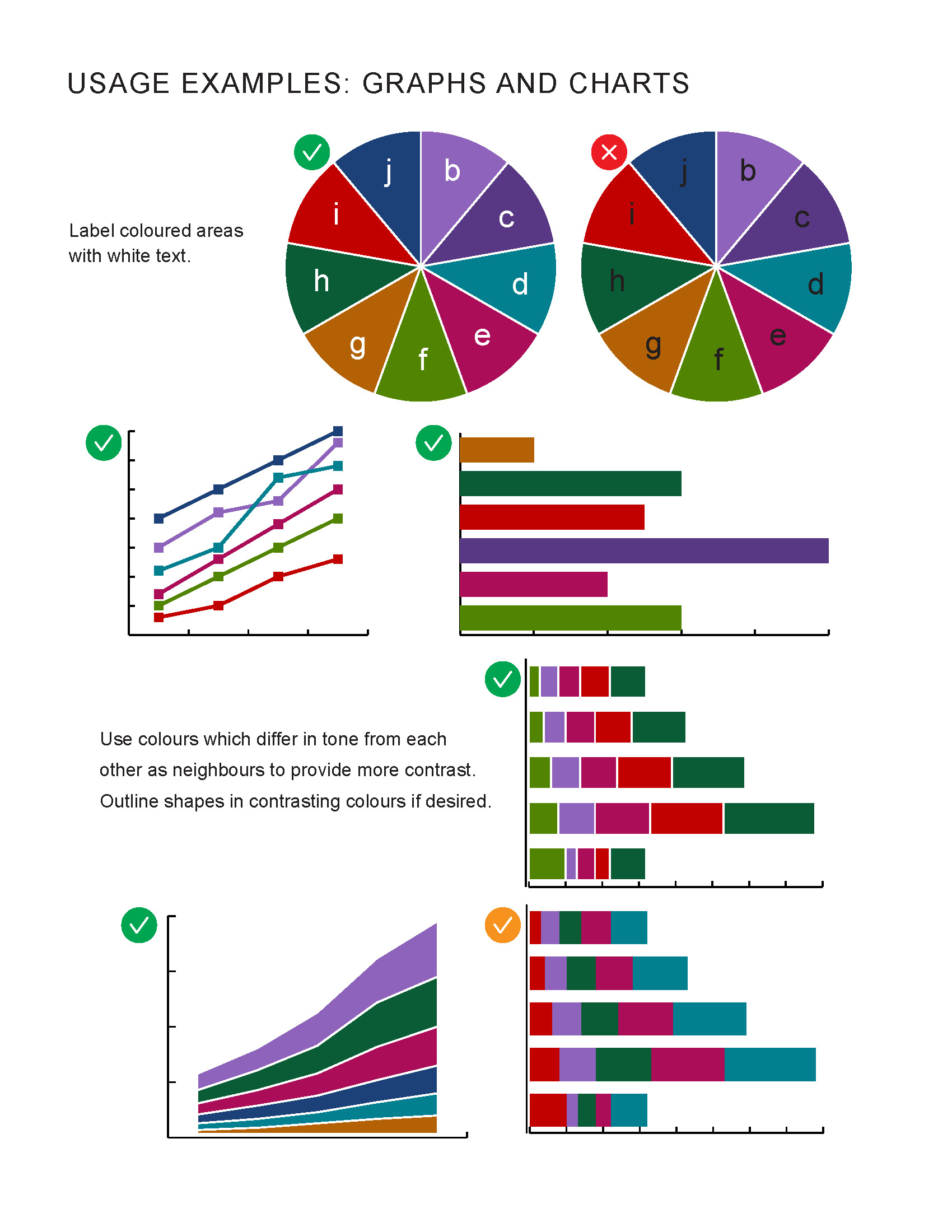
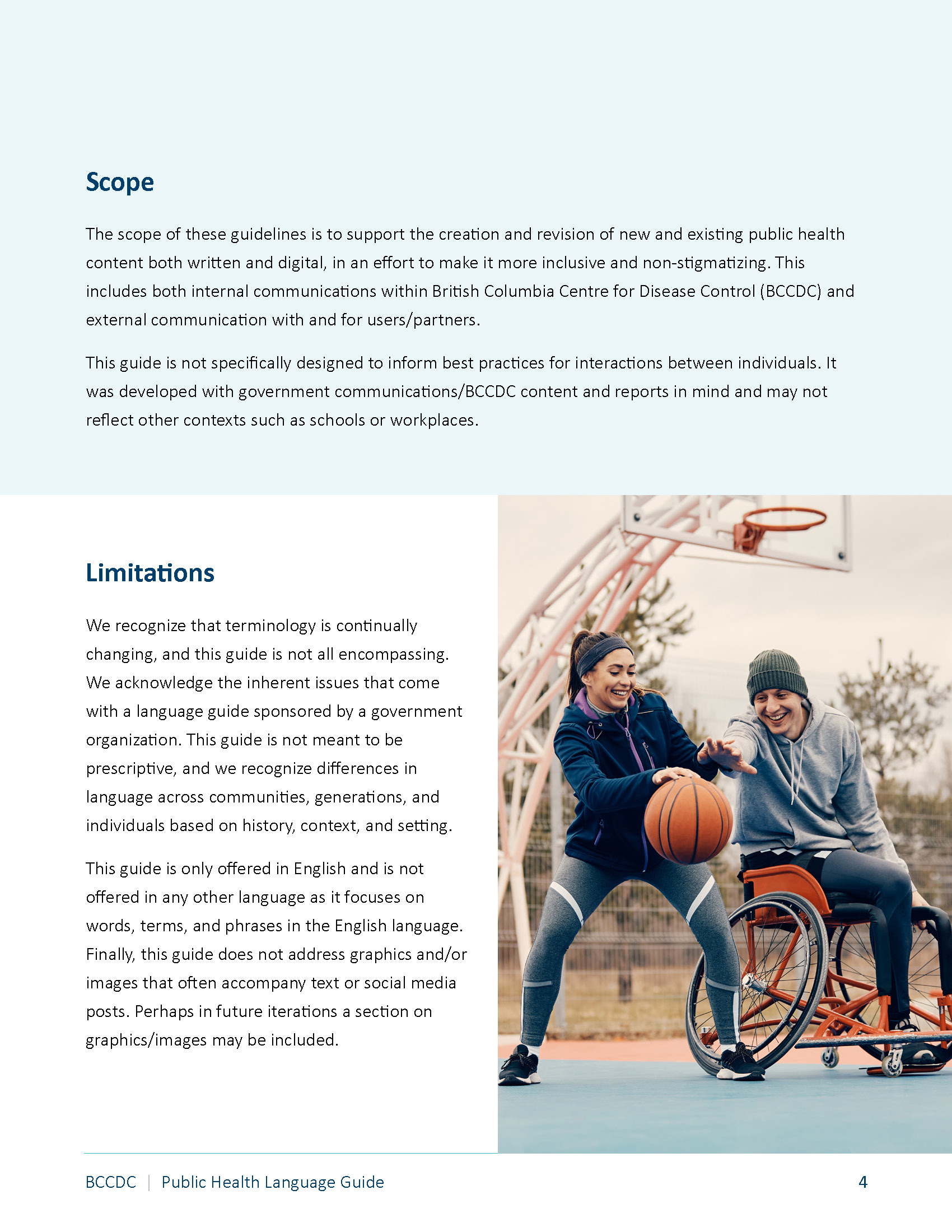
In response to the growing importance of accessibility, we have continually adapted our layouts to meet the latest standards, ensuring our designs resonate with their audience. One significant accomplishment is our development of an accessible color scheme for BCCDC, seamlessly integrated into graphs and charts across the organization.
With countless reports under our belt, precision in data visualization has become our forte. Our infographics and innovative treatment of charts and graphs have not only elevated readability but also found their way into captivating presentations alongside the printed reports.
Our unwavering commitment remains unchanged: crafting designs that are both aesthetically beautiful and functionally effective for the audience. At Spryberry, we believe in transforming data into engaging stories that leave a lasting impact.
Key projects include:
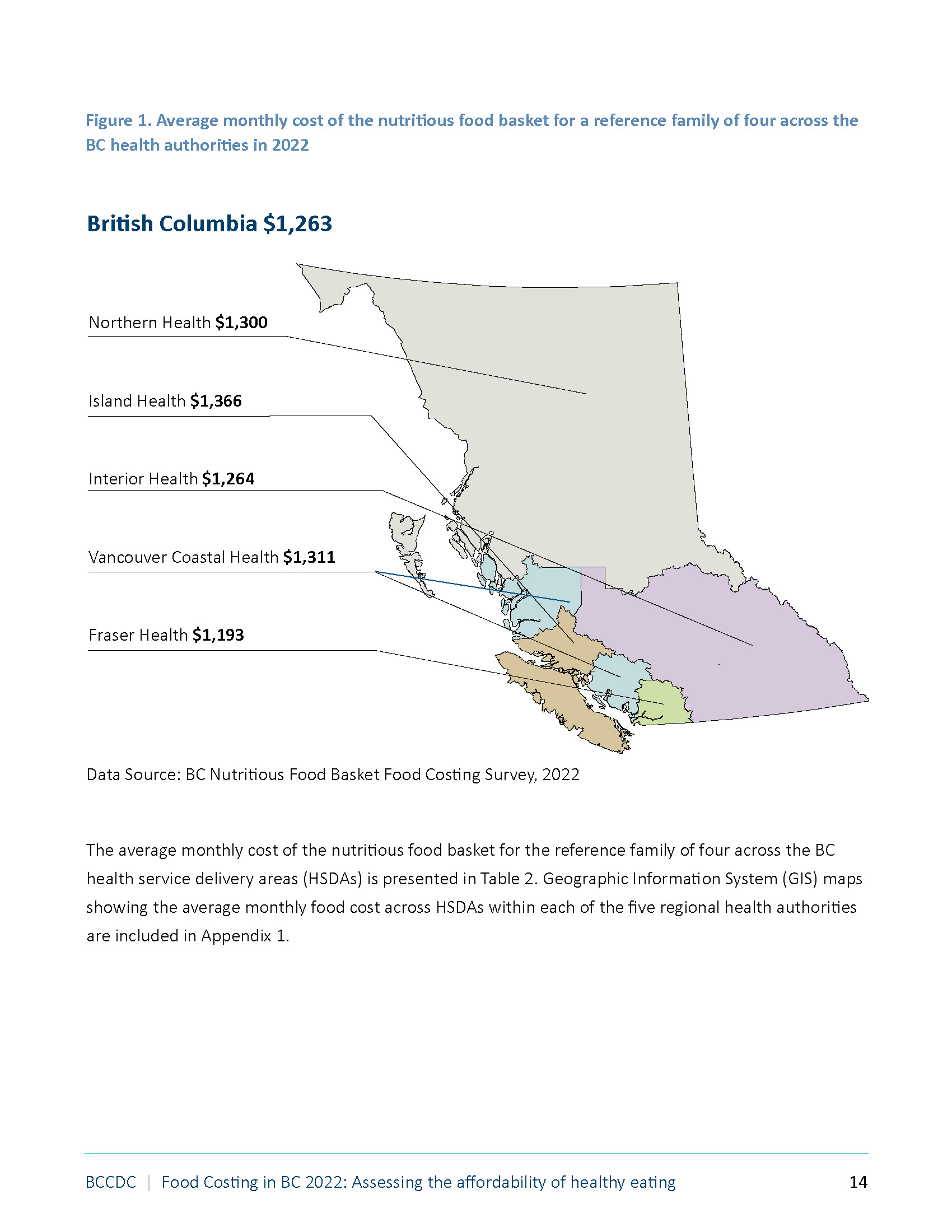
- Food cost in BC
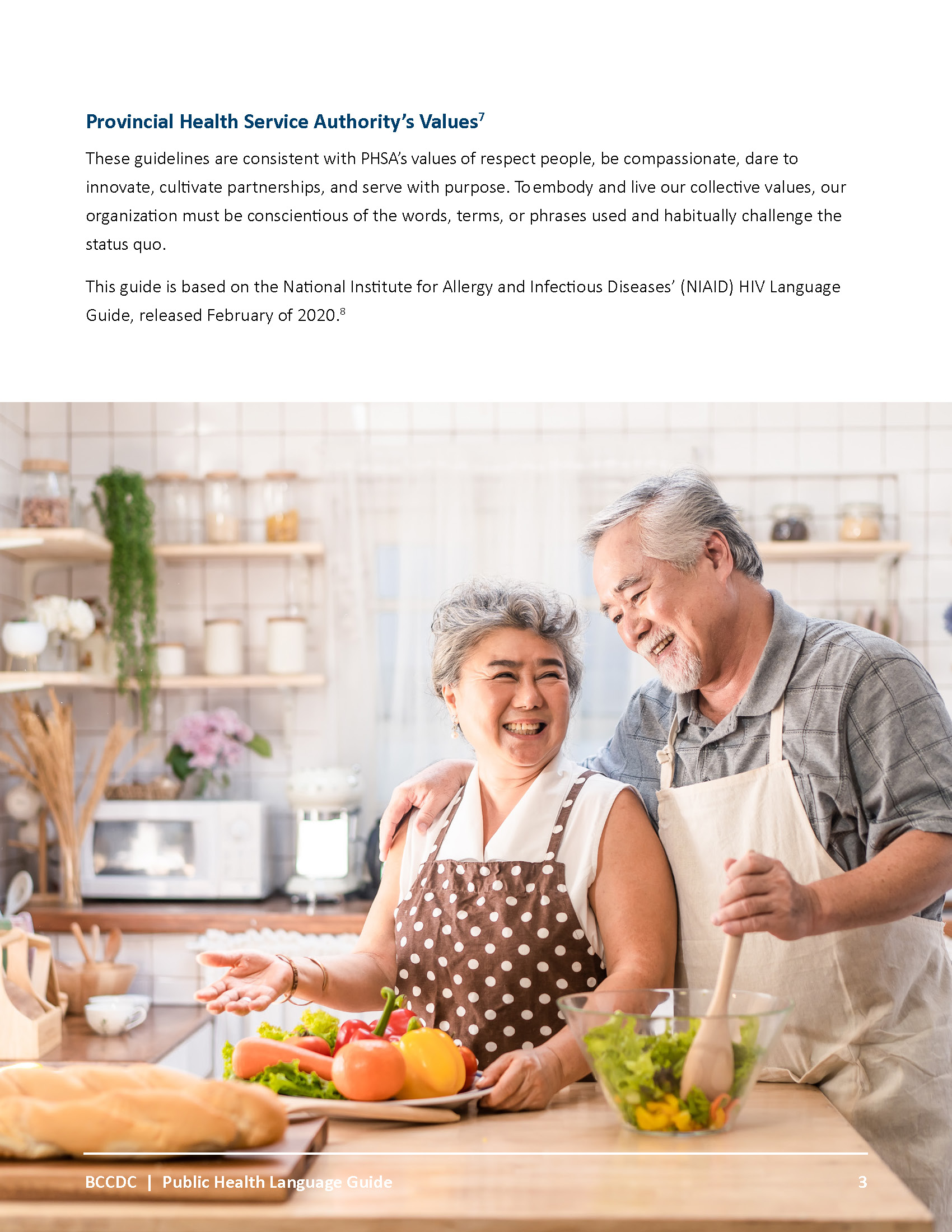
- Indigenous children’s access to food
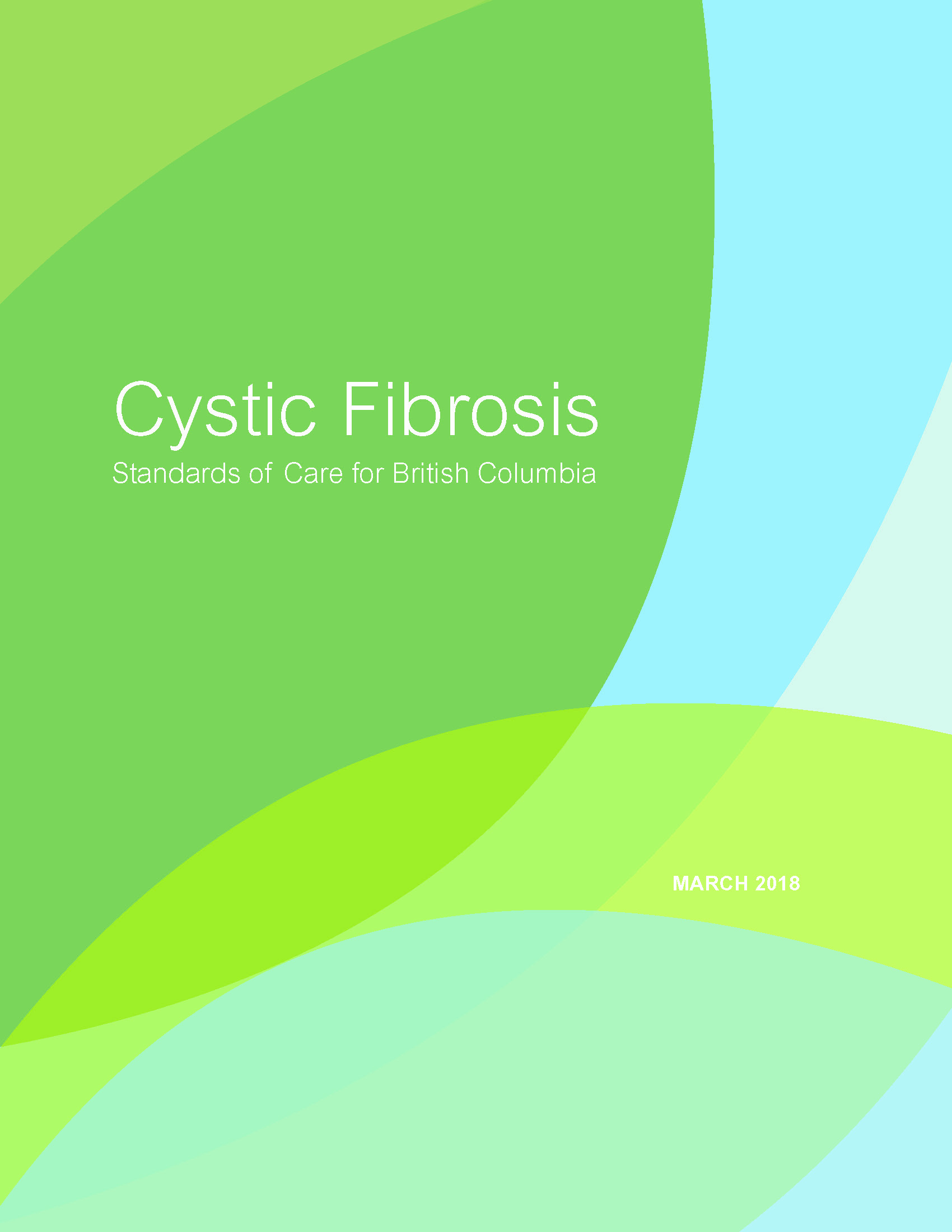
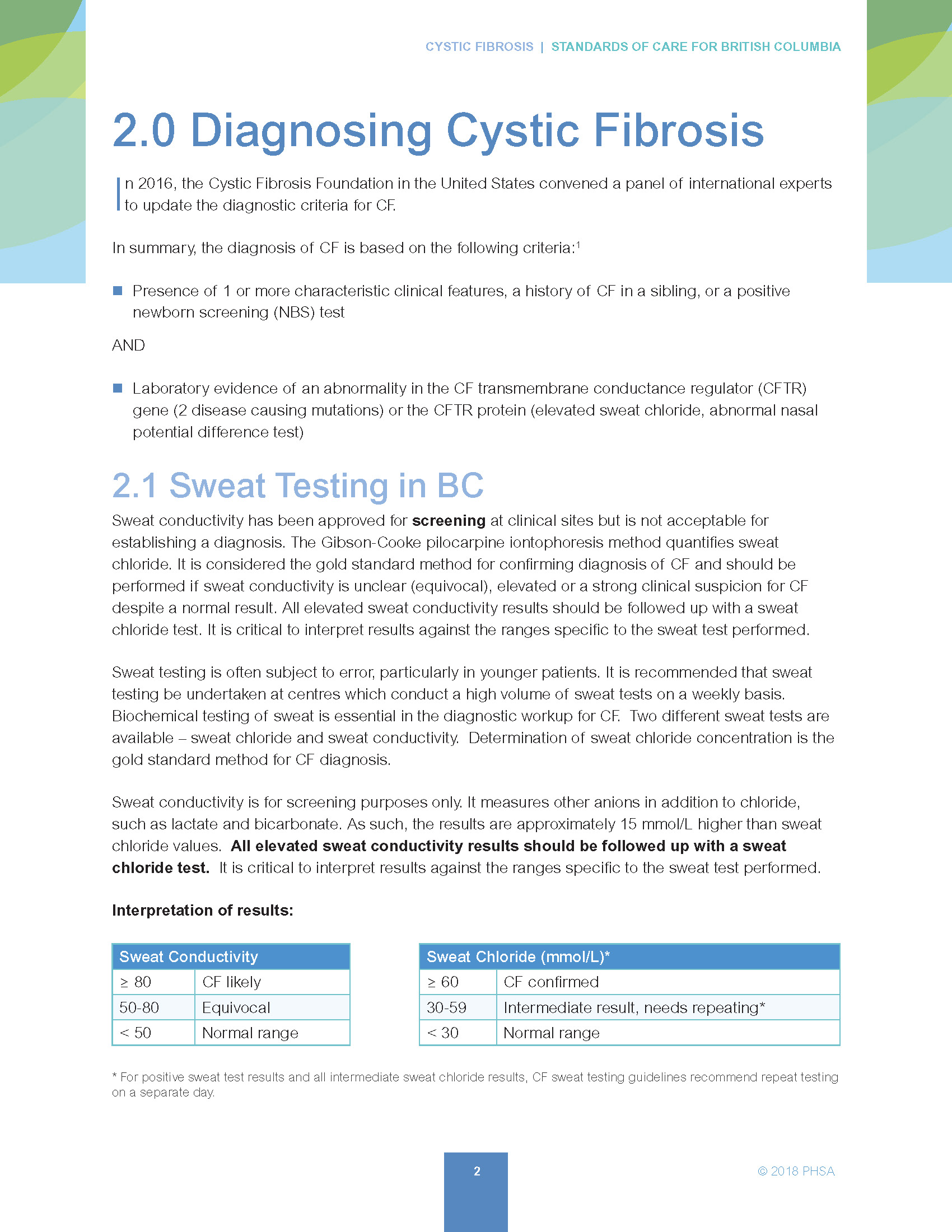
- Cystic fibrosis standards of care
- Healthy social environment framework


Case Study: Recipe Book
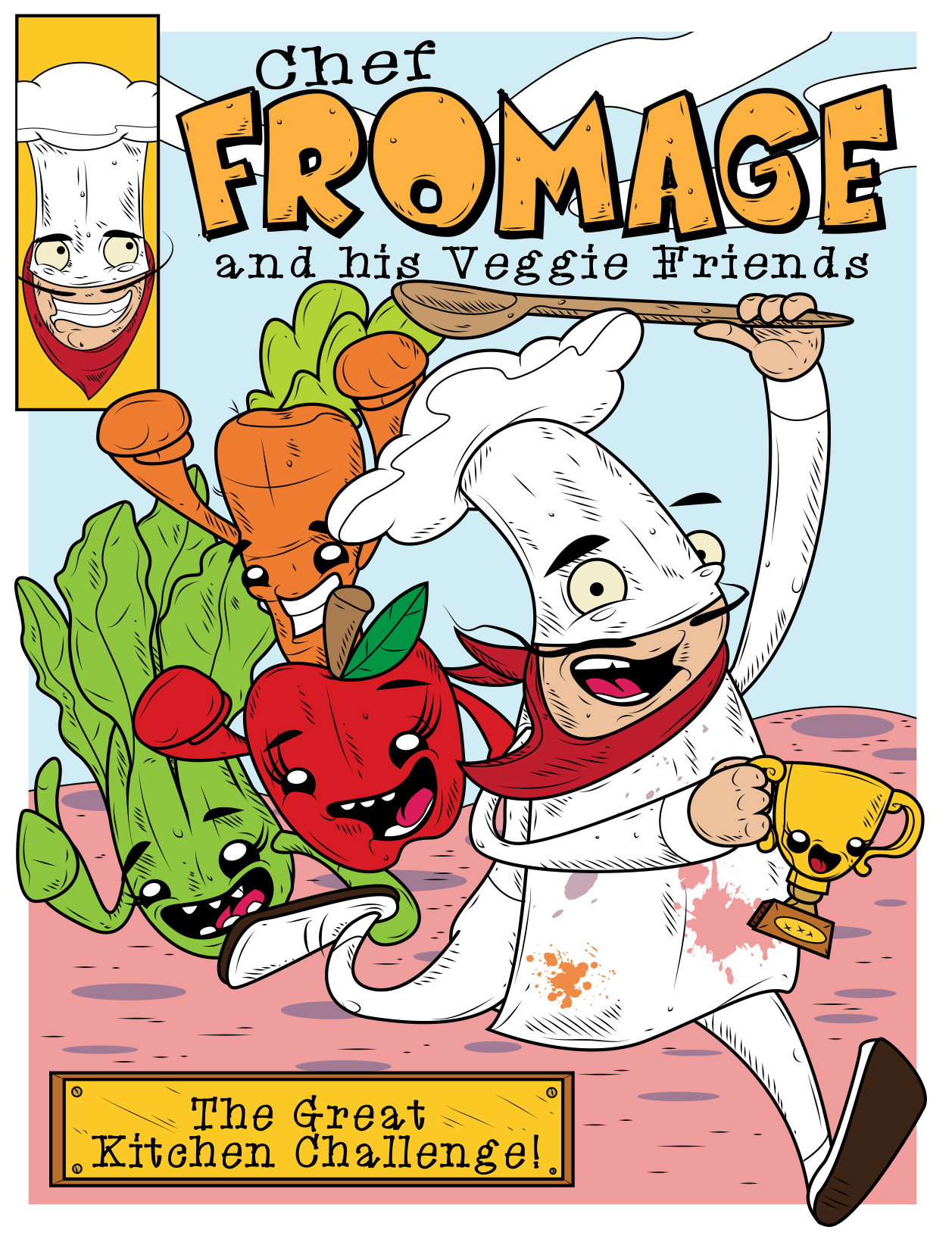
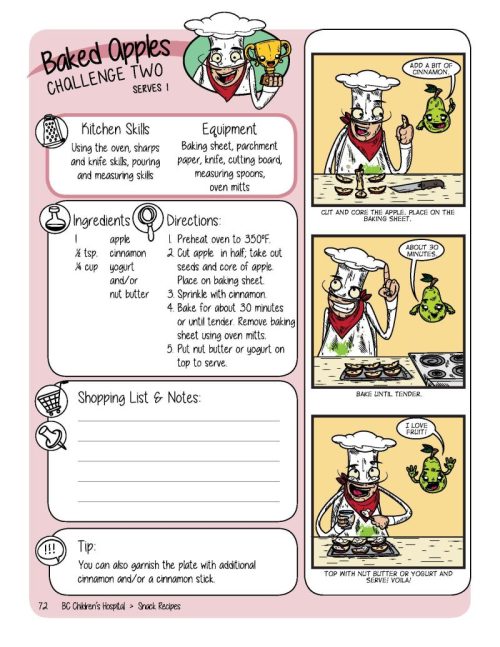
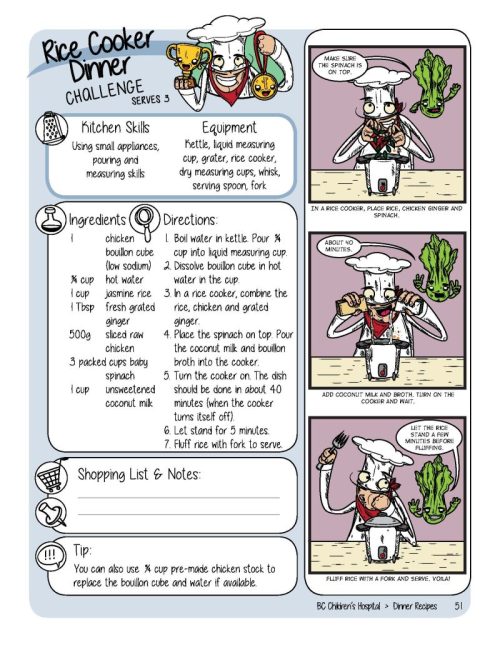
BC Children’s Hospital received a generous donation from Safeway — a brand-new kitchen for the patients in the mental health unit. With a mandate to fully use the gift, BCCH planned a book of skills and recipes for young patients to use on-site and in a home environment. What a fun project!
We presented the BCCH team with a vision of a piece in a comic book style. The recipe comic book has a main character who leads the reader through each recipe and skill with the help of veggie friends. In addition, many recipes have two skill levels that are presented as ‘challenges.’ Eighty pages in length, there are four major sections: skills, breakfast, lunch, dinner, and snacks. The recipe book is a printed, saddle-stitched piece, and each page or recipe can easily be printed single or double-sided for handouts as needed.

We worked with Spryberry on a project for the mental health programs at BC Children’s Hospital, and were very impressed with the quality of their work, their dedication to their clients, and their genuine passion for the project. From the first time we met with Dana, we knew that Spryberry was going to be a great fit with the project and what we were envisioning. Our project involved a collaborative team environment, which sometimes meant getting lots of different feedback and trying to balance multiple perspectives. The Spryberry team has excellent communication skills, is always open and responsive to ideas, and is able to effectively manage tight timelines. They demonstrated great flexibility, and were proactive and solution-oriented when we were faced with difficult decisions or changes in the project plan. In the end, we couldn’t be happier with the final product, and we are so excited for the clinical team to start sharing the resource that was developed with patients and parents. Thank you Spryberry for all of the creativity, positive energy and personal touch that you brought to this project – we look forward to working with you again!